Smooth out stubborn cellulite dimples with Avéli® — a one-time, FDA-cleared, minimally invasive procedure that offers fast, visible, and long-lasting results.
Avéli®

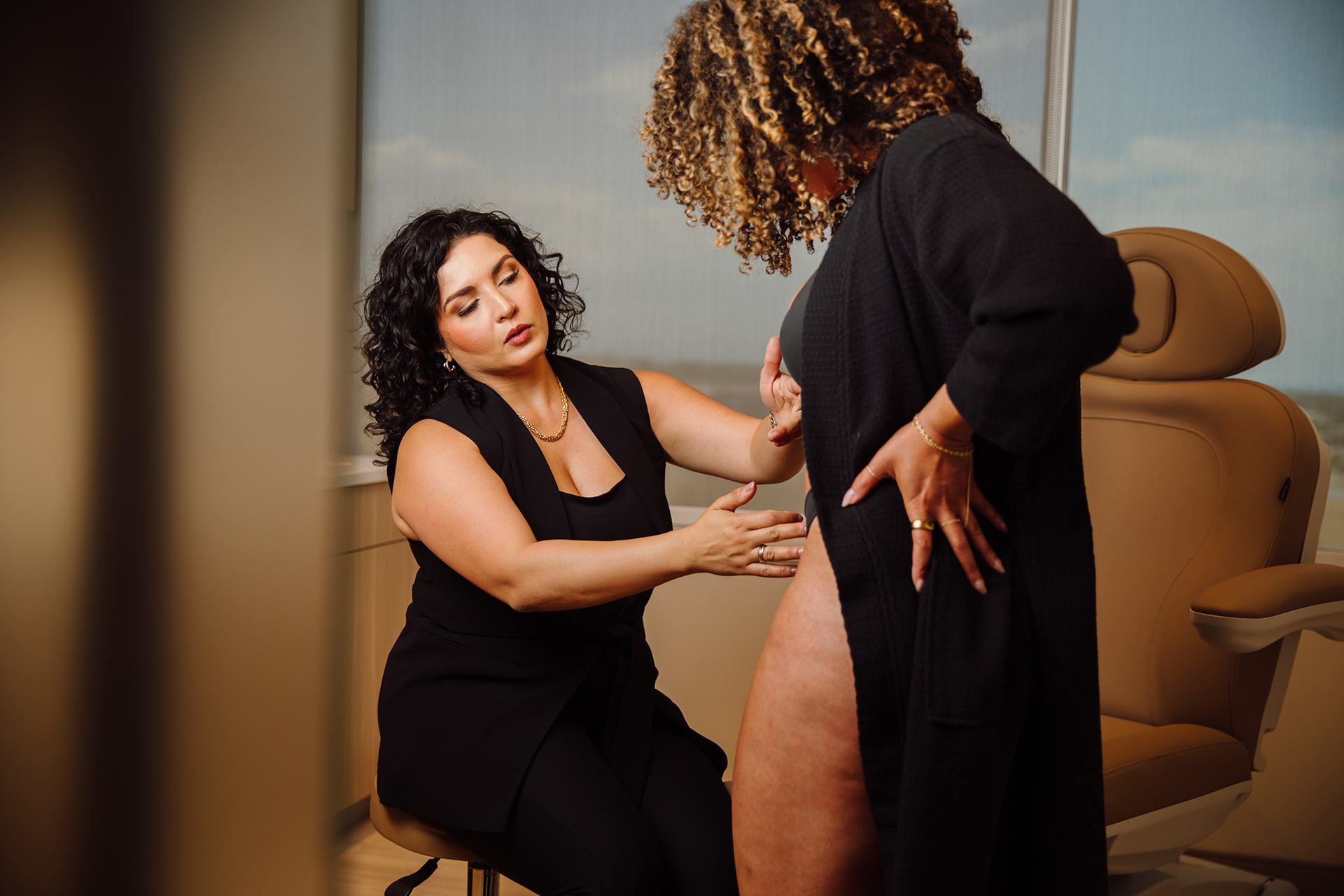
Discover Real Results at The LaVie Institute
As leaders in aesthetic innovation, we’re proud to offer Avéli®, a revolutionary cellulite treatment grounded in anatomy, not guesswork. Unlike temporary creams or gimmicks, Avéli® is FDA-cleared and clinically proven to release the fibrous septa bands beneath the skin that cause cellulite, all in a single in-office procedure.
What Is Avéli®?
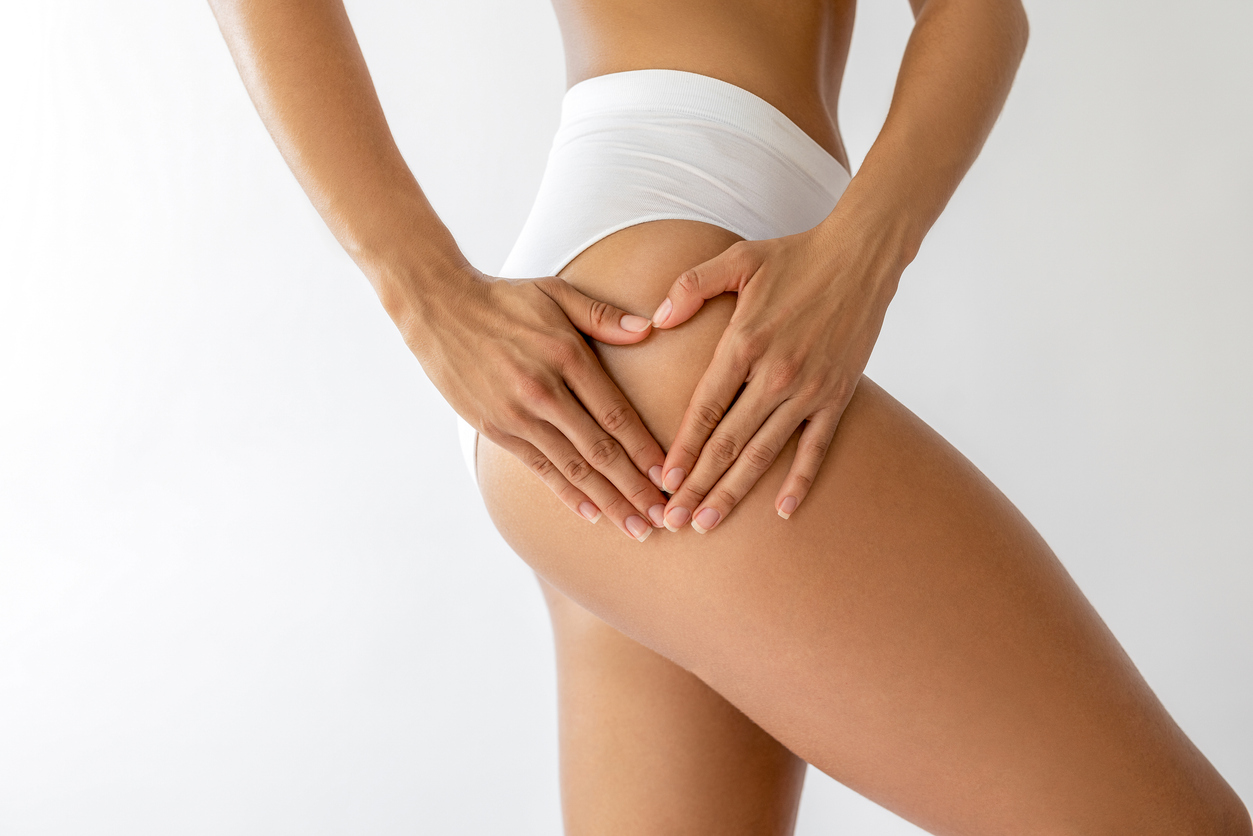
Avéli® is a minimally invasive procedure designed to treat the root cause of cellulite dimples on the buttocks and thighs — not just mask the symptoms.
The treatment works by targeting and releasing the tough, fibrous septa bands that pull the skin down and create visible dimpling. Using a precision-guided, hand-held device, your provider can treat each dimple directly and confirm in real time that the bands have been released.
The result? Visibly smoother skin that lasts.

Recovery and Results
Most patients experience mild soreness, bruising, or tenderness, especially in the first 24–48 hours. These side effects typically resolve within 30 days. Many women return to regular routines within a day or two, and most are back to full activity in about a week.
You can expect noticeable improvements as early as 1–3 months post-treatment, with smoother, dimple-free skin that lasts. Clinical studies maintained results for one year without requiring repeat sessions.

FAQ
How is Avéli® different from laser or radiofrequency cellulite treatments?
Can Avéli® be combined with other body contouring procedures?
Does Avéli® improve skin tone or texture?
Will I have visible marks or scars after Avéli®?
Are Avéli® results permanent?
How is Avéli® different from laser or radiofrequency cellulite treatments?
Unlike energy-based treatments that heat tissue to stimulate collagen or temporarily tighten the skin, Avéli® physically releases the fibrous bands (septa) responsible for dimples. It’s mechanical and precise — not dependent on heat or surface-level stimulation — and results are visible much sooner.
Can Avéli® be combined with other body contouring procedures?
Yes, many patients choose to pair Avéli® with skin tightening treatments, fat reduction (like CoolSculpting®), or mommy makeovers to achieve more comprehensive results.
Does Avéli® improve skin tone or texture?
While Avéli® targets dimpling caused by septa bands, it does not address skin laxity, crepey skin, or texture irregularities. However, many patients find that the overall improvement in skin smoothness enhances the appearance of tone, especially when combined with complementary treatments.
Will I have visible marks or scars after Avéli®?
No, the procedure involves tiny entry points, typically less than a centimeter in size, which heal discreetly without scarring. These access points are strategically placed and usually fade completely within weeks.
Are Avéli® results permanent?
The released fibrous bands will not grow back, making the results long-lasting. However, new bands may form with age or hormonal changes, so maintenance treatments may be considered in the future, although most patients enjoy results for years.
